
Protection That Extends Concrete Lifespan
Concrete Sealing & Protective Coatings in Painesville for driveways, patios, and surfaces exposed to moisture and freeze-thaw cycles
Unsealed concrete absorbs water that carries dissolved salts, chemicals, and contaminants into the substrate, where freeze-thaw cycles cause internal expansion that leads to surface spalling, cracking, and gradual deterioration that shortens the concrete's functional life. 4Six Epoxy applies penetrating sealers and protective coatings in Painesville that block moisture intrusion while allowing vapor transmission, preventing the subsurface damage that begins long before visible surface problems appear. You need sealing protection for driveways exposed to road salt during winter, patios where standing water contacts the surface, garage floors where vehicles bring in moisture and chemicals, and commercial properties where appearance and structural integrity directly affect property value.
The sealing process depends on the concrete's location and exposure conditions—penetrating sealers work below the surface to densify the concrete and reduce porosity without changing appearance, while film-forming coatings create a surface barrier that provides greater moisture resistance and easier cleaning. Both approaches require clean, dry concrete for proper penetration or adhesion, and both reduce the rate at which water, oils, and de-icing chemicals enter the concrete matrix. The selection between sealer types considers whether you want to maintain the concrete's natural appearance or add a protective film that enhances color and provides a finished look.
Request a consultation and estimate to evaluate your concrete surfaces and determine the appropriate sealing approach.
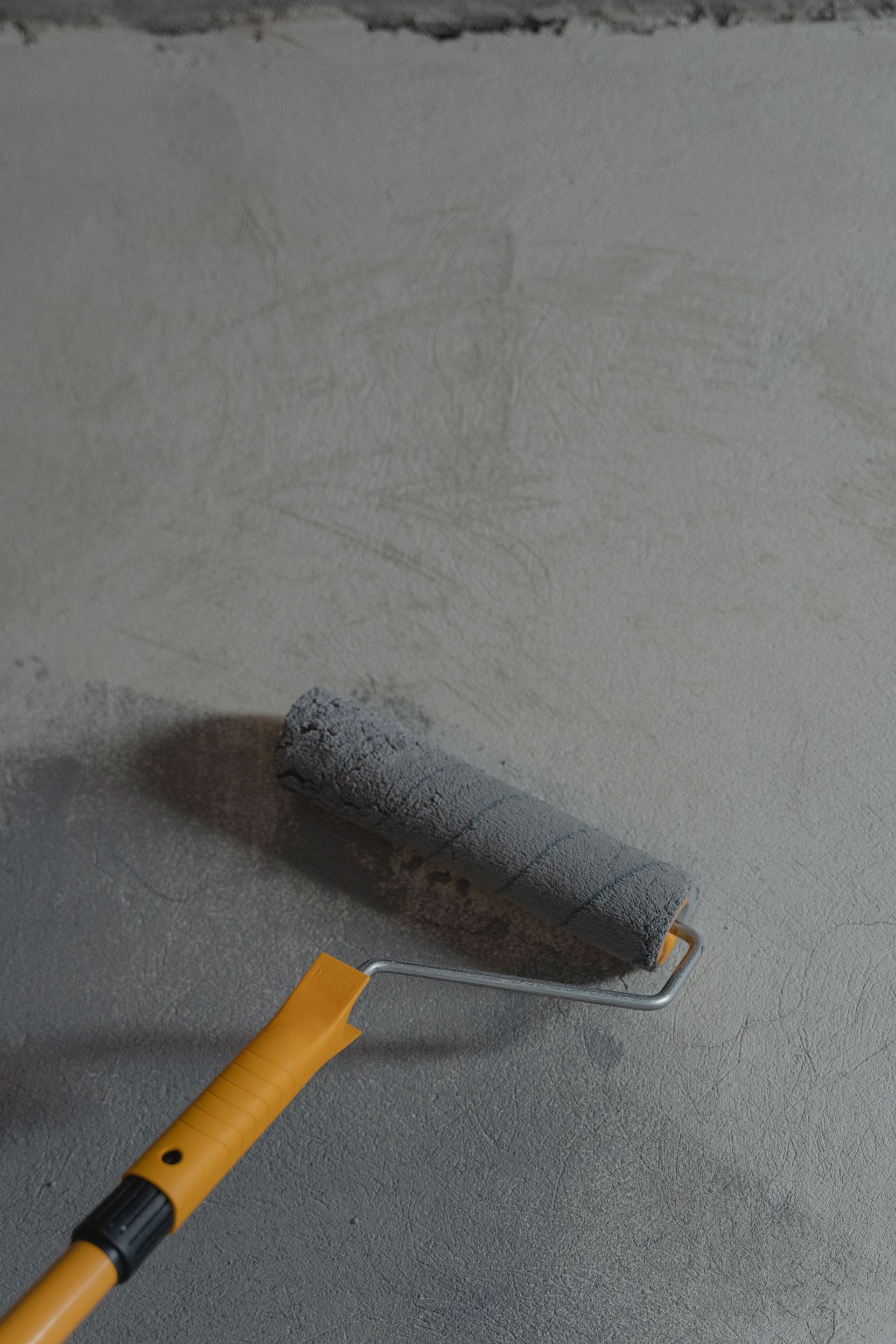
What Changes After Sealing Treatment
Penetrating sealers react with the concrete's calcium hydroxide to form insoluble crystals that fill the pores and capillaries where water normally travels, reducing absorption without creating a surface film that can wear away or delaminate. Film-forming coatings create a physical barrier on the concrete surface that water cannot penetrate, which prevents moisture from reaching the substrate and stops the absorption that leads to freeze-thaw damage, salt scaling, and staining from oils and other liquids.
After sealing, you'll notice that water beads on the surface rather than soaking in immediately, snow and ice melt residue no longer leave white salt deposits that penetrate and damage the concrete, and oil drips from vehicles remain on the surface where they can be cleaned instead of creating permanent stains. Sealed surfaces resist the powdery efflorescence that indicates water movement through the concrete, and they maintain their appearance longer because contaminants cannot penetrate to cause discoloration. The concrete becomes easier to clean because dirt and debris remain on the surface rather than lodging in the porous structure.
Sealing protection extends concrete lifespan by preventing internal damage but does not repair existing cracks, spalls, or structural issues that require concrete restoration before sealing application. Film-forming sealers require periodic reapplication as traffic wears the surface layer, while penetrating sealers provide longer-lasting protection but offer less stain resistance and no appearance enhancement. The Ohio climate makes sealing particularly valuable because the freeze-thaw cycles between winter and spring cause rapid deterioration in concrete that allows moisture penetration.
Questions Before Starting Your Project
Concrete sealing involves selecting the right product type and application timing to achieve the protection your surfaces need.
What type of sealer works best for exterior driveways?
Penetrating sealers provide freeze-thaw protection without creating a film that can wear from tire traffic, while film-forming acrylic or urethane sealers offer greater stain resistance and appearance enhancement at the cost of requiring more frequent reapplication as the surface layer wears.
How does sealing prevent salt damage during Painesville winters?
Sealers block the pathways water uses to carry dissolved de-icing salts into the concrete, preventing the salt from crystallizing inside the substrate where expansion causes surface scaling and spalling that appears as flaking concrete.
When should new concrete receive sealing protection?
Concrete must cure adequately before sealing to ensure internal moisture has evaporated and the surface has reached sufficient strength, typically requiring 28 days for full cure though some rapid sealers allow earlier application if moisture testing confirms readiness.
What preparation does concrete need before sealing?
The surface must be clean and free from dirt, oils, existing sealers, and other contaminants that would prevent proper penetration or adhesion, often requiring pressure washing, chemical cleaning, or mechanical preparation depending on the concrete's condition.
How long does sealing protection last on concrete surfaces?
Penetrating sealers provide protection for several years before the concrete's natural porosity begins to return, while surface coatings last one to three years depending on traffic levels and exposure conditions before reapplication becomes necessary to maintain the moisture barrier.
4Six Epoxy assesses your concrete's current condition, exposure environment, and protection requirements to recommend the sealing solution that delivers the performance your surfaces need. Call (440) 983-8875 to schedule an evaluation and discuss how sealing fits into your property's maintenance strategy.