
Preparation That Determines Coating Performance
Concrete Surface Preparation & Repairs in Painesville for floors requiring proper bonding before coating installation
Coating failure typically traces back to inadequate surface preparation rather than coating material defects, because epoxy and polyurethane systems rely on mechanical bonding that only occurs when the concrete surface reaches the correct profile and contamination level. 4Six Epoxy uses diamond grinding equipment in Painesville to remove surface laitance, existing coatings, oils, and curing compounds that prevent proper adhesion, then profiles the concrete to create the roughness texture necessary for the coating primer to penetrate and grip. Your floor needs this preparation before any coating application, especially when the concrete has been in service and accumulated contaminants or when previous coatings failed due to poor initial preparation.
The preparation process involves assessing the concrete's current condition, identifying any moisture issues or structural damage, grinding the surface to the profile depth specified for your coating system, and repairing cracks, spalls, and joint deterioration that could telegraph through the new coating. Crack repairs use epoxy or polyurea injection to fill voids and restore structural continuity, while spalled areas receive patching compounds matched to the surrounding concrete's strength. The goal is creating a substrate that allows the coating to bond as intended and eliminating defects that would compromise the finished floor's appearance and durability.
Schedule a project evaluation to assess your concrete's condition and determine the preparation work required before coating.
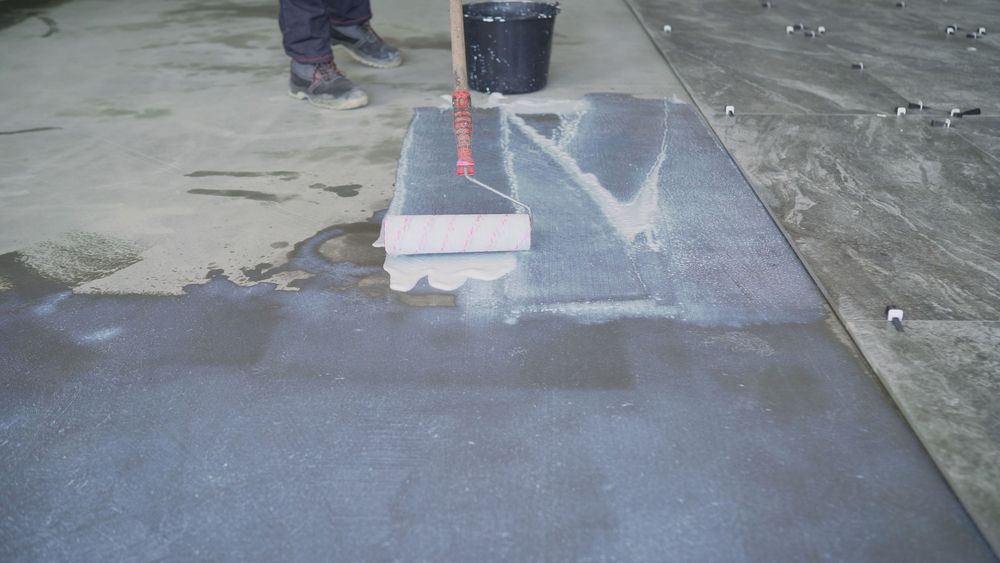
How Surface Preparation Addresses Bonding Requirements
Diamond grinding removes the top layer of concrete where contaminants concentrate and where the cement paste has formed a dense surface that resists penetration. The grinding process exposes the aggregate beneath and creates a rough texture measured by concrete surface profile standards, with the required profile depth varying based on the coating system's viscosity and penetration characteristics. This mechanical texture gives the primer something to grip, preventing the coating from delaminating when traffic generates lateral forces or when thermal expansion causes substrate movement.
Once preparation completes, you'll observe that the concrete surface appears uniformly rough without the glazed appearance that indicates surface laitance, and repaired cracks and spalls sit flush with the surrounding floor rather than creating lips or depressions. The surface accepts water evenly rather than shedding it in some areas and absorbing it in others, which indicates consistent porosity across the floor. This prepared substrate allows coating primers to penetrate deeply and develop the bond strength necessary for the coating system to withstand the loads and conditions your floor will experience.
Surface preparation does not correct underlying issues like substrate cracking caused by soil settlement, moisture vapor transmission from below-grade concrete without proper vapor barriers, or structural failures requiring engineering intervention. The preparation creates the surface conditions necessary for coating adhesion but assumes the substrate itself remains stable and suitable for coating. Moisture testing determines whether vapor transmission rates exceed the coating system's tolerance before preparation work begins.
What Property Owners Usually Ask
Concrete preparation involves technical requirements that directly affect whether your coating investment performs as expected or fails prematurely.
What does concrete surface profile mean for coating adhesion?
Surface profile refers to the peak-to-valley depth of the texture created during grinding, measured against standardized chips that define profile levels, with deeper profiles necessary for high-build coatings and shallower profiles suitable for thin-film systems.
How do you repair cracks before coating installation?
Cracks get routed to create a uniform channel, cleaned to remove debris, then filled with flexible epoxy or polyurea that bonds to both crack faces and accommodates minor movement without re-cracking, which prevents the crack from reflecting through the coating layer above.
When does concrete require moisture testing before coating?
Below-grade concrete, concrete poured over vapor barriers of unknown quality, and concrete in Painesville buildings without climate control all require moisture vapor emission testing because excessive moisture transmission causes coatings to delaminate regardless of surface preparation quality.
What equipment removes existing failed coatings?
Diamond grinding equipment with dust collection removes previous epoxy, paint, or sealer layers without damaging the underlying concrete, creating the clean, profiled surface necessary for new coating adhesion.
How long after preparation can coating installation wait?
Prepared concrete should receive coating within days rather than weeks because the exposed surface can accumulate new contamination from foot traffic, airborne particles, or environmental exposure that compromises the preparation work already completed.
4Six Epoxy performs the surface preparation and repair work that creates the foundation for long-lasting coating performance. Arrange an inspection to identify the specific preparation requirements your floor needs based on its current condition and intended coating system.